Authors
No items found.

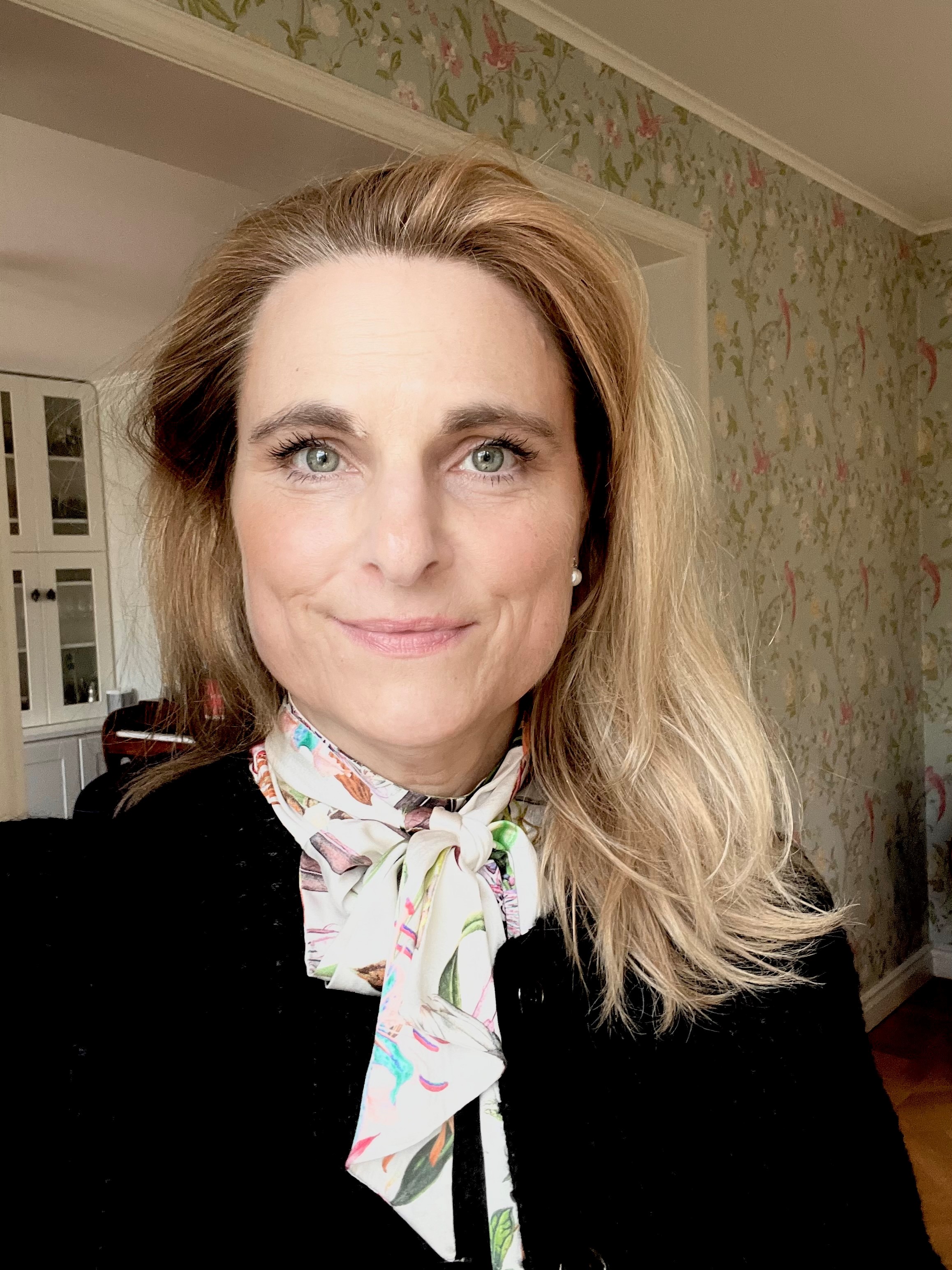
Today North House are thrilled to publish the fourth edition of Coffee & Compliance, an interview series that delves into the world of corporate governance and the ever-evolving landscape of regulatory compliance. In this edition, we're excited to spotlight a conversation with Sara Nordler, esteemed lawyer at Nordler Advokatbyrå, excelling in both governance, compliance, business law and negotiation. Sara has over 20 years of experience from the financial sector and is also the founder of Women In Finance (WIF).
Join us as we uncover valuable insights, expert advice, and intriguing perspectives on driving better compliance practices within organizations.
This is a favorite area for me. I have contemplated this question and experimented throughout my entire professional career.
The visualized method and model I have developed and work from is Regulatory Governance. With the support of this framework, all types of businesses can establish or oversee the internal governance of their operations based on ethics and morality, as well as the regulations specific to their industry. This model and approach can also be utilized when establishing a company, such as in permit applications, conducting due diligence in acquisitions, or when outsourcing operations. The model can also be applied to focus areas such as sustainability, corruption, and integrity.
The objective is to enhance operations in various ways by gaining better control over all essential aspects of the company and proactively detecting and mitigating unwanted risks, while maintaining strong regulatory compliance, ethics, and morality across all facets of corporate governance to ensure long-term effective and responsible management.
Visualization is crucial to achieve alignment and understand what the company has as a foundation. After all, you wouldn't embark on a sailing trip without nautical charts or perform in an orchestra without sheet music, would you?
All employees and managers should also be aware of and be able to demonstrate their contributions to corporate governance.
Corporate governance needs to be a dynamic element. Communication, monitoring, and continuous improvement are critical components! Three simple, classic questions that should be regularly posed are:
• What is working today?
• What can be improved?
• How do we get there?
The goal and purpose of Regulatory Governance is to build a long-term sustainable and professional operation.
• Subscribe to regulatory authorities' newsletters,
• Monitor the government and parliament websites,
• Read relevant websites and newspapers,
• Attend industry association meetings,
• Check various industry association websites,
• Network,
• Participate in courses and informational seminars and
• Establish a group for external monitoring within their respective areas, "local compliance," within the organization. Together with them, create a forum for dialogue and consultation. Through the network, there should be an exchange of information and knowledge about the regulations that affect the business and the current regulatory changes. The network can also serve as a discussion forum for questions related to the application of regulations and how new regulations may impact the business, as well as whether new internal governance documents need to be established or if old ones need to be updated.
Get the organization on board, i.e., get everyone to want to work with these. My experience is that this is achieved by first understanding why they exist, what can be achieved with their support, and the consequences of not having them.
The governing documents need to have a clear structure, ownership, and intended audience. The language should be tailored to the reader, and not everyone may need to read all the documents, be clear about the recipients. Conduct training on the governing documents, invite input from the organization regarding improvements that can be made. Governing document should be easy to find, up-to-date, and relevant.
It is always the people and their commitment, willingness, and drive that make the difference in everything that is done; one must not forget that. Foster a sense of 'we' (not 'us vs. them'). We are all in the same boat, and the key is figuring out the best way to move forward.
The compliance function and others need to know what the function is expected to do. What are the compliance responsibilities, and what should others do when it comes to compliance tasks? Then, establish methods and approaches. It is essential to establish and maintain good relationships to gain influence and support, as well as information.
Communicate with the organization and build mutual trust and knowledge. Be a dynamic element at all levels, not just at the board and leadership levels.
Ensure that compliance tasks become a natural part of the organization and that it is included in employees' job descriptions, processes, procedures, annual plans, and more. What is visible exists!
Tailor the rhetoric to the recipients. This is your focus area, and those who are not specialists in it may need a clear and simple explanation. I often ask IT or another department that deals with something I am not a specialist in to explain it to me as if I were a 10-year-old. Keep it simple and easily understandable. Work on change management.
To achieve success, one needs to be professional, communicate at all levels regularly, including coaching, be flexible, have good timing, and show empathy.
I have accepted a new board assignment, which I find very exciting and enriching. In addition to that, I am assisting one company with establishment of Regulatory Governance and another company with development of compliance and the implementation of a new regulatory framework, making the entire autumn feel enjoyable. I am especially looking forward to the trip to Hong Kong in November.
See how North House can enhance your organization's governance. Schedule a demo today!
North House provides governance solutions that adapt to your organization's evolving needs.